Skip to content





What Happens If You Don’t Service Your Car?
If you don’t service your car regularly, engine wear, brake problems, reduced fuel efficiency, and breakdowns can develop. Small faults may worsen over time and lead to expensive mechanical repairs. Understanding “what happens if you don’t service your car” can help you avoid these problems and protect your vehicle’s reliability.
Regular servicing helps keep important vehicle systems working safely and efficiently. Problems can be detected early before they develop into major faults or unexpected repairs. Understanding the importance of car service can help maintain dependable performance and reduce long-term maintenance costs.
Common Problems Caused by Skipping Car Servicing
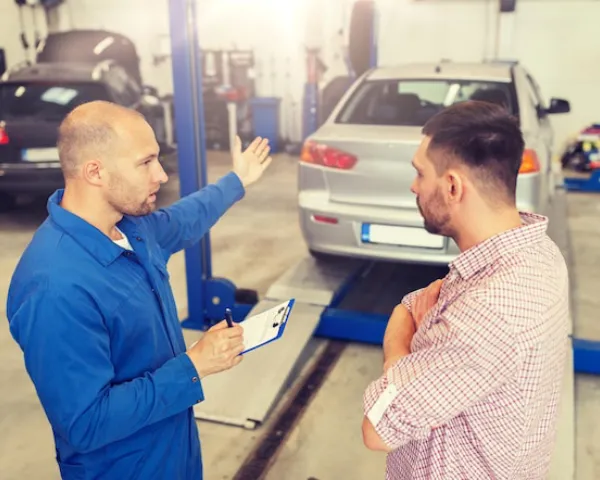
Understanding the importance of servicing a car helps prevent minor faults from becoming major mechanical problems. Missed inspections can affect important systems, including the engine, brakes, tyres, and electrical components. The following issues can develop gradually and may eventually affect your vehicle’s reliability and safety.
-
Engine Performance Problems
Old engine oil can lose its ability to lubricate important internal components properly. As wear increases, car service checks can help identify problems before serious engine damage develops.
-
Brake System Wear
Worn brake pads and degraded brake fluid can reduce stopping performance over time. Regular inspections help detect brake issues before they become a car safety concern.
-
Tyre Wear and Damage
Incorrect tyre pressure, poor alignment, and uneven tread wear can affect handling and road grip. These issues may also increase fuel use and create additional vehicle maintenance needs.
-
Battery and Electrical Failures
A weak battery or corroded connection can cause starting problems without much warning. Routine checks can identify electrical faults before they result in unexpected car repairs.
-
Cooling System Problems
Low coolant levels, damaged hoses, or radiator problems can prevent the engine from maintaining a safe temperature. If overheating repeatedly occurs, serious engine damage can develop.
-
Transmission Problems
Old or contaminated transmission fluid can affect how smoothly the vehicle changes gears. Continued neglect may cause expensive transmission damage that requires specialist attention.
-
Suspension and Steering Issues
Worn suspension or steering components can affect handling, ride comfort, and tyre wear. These problems may become more noticeable during braking, cornering, or driving over uneven roads.
If you notice unusual noises, warning lights, or changes in performance, your vehicle may already need attention. Read Signs Your Car Needs a Service to learn which warning signs should not be ignored.
How Regular Car Servicing Helps Prevent Bigger Problems
Regular servicing helps identify developing faults before they affect major vehicle systems. The benefits of regular car servicing include earlier fault detection, better reliability, and fewer unexpected breakdowns. The table below shows how routine checks can address the problems discussed above.
| Service Check | Problem It Can Help Prevent | How It Helps |
|---|---|---|
| Engine Oil Check and Replacement | Engine wear and poor performance | Fresh oil supports proper lubrication and helps reduce internal engine wear. |
| Brake Inspection | Reduced braking performance | Worn pads and other brake issues can be identified before stopping performance is affected. |
| Tyre Inspection and Pressure Check | Uneven wear and poor road grip | Correct pressure and tread condition support better handling and help extend tyre life. |
| Battery and Electrical Testing | Starting and electrical failures | Early testing can identify weak batteries, poor connections, and charging system faults. |
| Cooling System Inspection | Engine overheating | Coolant levels, hoses, and related components can be checked before overheating causes serious damage. |
| Transmission Inspection | Rough gear changes and transmission wear | Fluid condition and transmission operation can be assessed before larger faults develop. |
| Suspension and Steering Checks | Poor handling and uneven tyre wear | Worn components can be identified early to maintain controlled and comfortable driving. |
Regular checks also demonstrate the importance of car servicing for preventing small faults from becoming expensive problems.
How Often Should You Service Your Car
Most modern vehicles generally need servicing every 10,000 to 15,000 kilometres or every 6 to 12 months. However, the correct timing can vary based on the vehicle, driving conditions, and manufacturer recommendations. Following the recommended car servicing schedule helps identify developing issues before they become more serious.
Typical Car Service Intervals
| Service Type | Problem It Can Help Prevent | How It Helps |
|---|---|---|
| Minor Service | 10,000–15,000 km | 6–12 months |
| Intermediate Service | 20,000–30,000 km | 12–18 months |
| Major Service | 40,000–60,000 km | Around 2 years |
| Major Component Service | 80,000–100,000+ km | Around 4–6 years |
Knowing when to service your vehicle is important, but it also helps to understand what happens during the appointment. Find out What Does a Car Service Include? and learn which key components are usually checked.
Keep Your Car Running Reliably
Regular servicing can help identify developing issues before they become costly or disruptive. For reliable car service in Hoppers Crossing, Westend Cars R Us offers support from qualified technicians with more than 35 years of automotive experience.
If your vehicle is overdue for servicing, contact the workshop for practical advice or to book an appointment. Call 03 9749 5155 or email westend_1978@hotmail.com to discuss your vehicle’s servicing needs.
Frequently Asked Questions
Missing a scheduled service can affect a warranty claim if the fault relates to poor maintenance.
Yes, Australian drivers can generally use an independent mechanic for servicing. The required service schedule, parts, fluids, and manufacturer specifications should still be followed.
Yes, regular servicing is still important even when a vehicle is rarely driven. Engine oil and other fluids can deteriorate with time, regardless of kilometres travelled.
Delaying servicing can allow minor faults to develop into more serious mechanical problems. This may increase repair costs and affect vehicle reliability.
Yes, older vehicles may need closer attention as components experience more wear over time. Regular inspections can help identify developing faults before they cause unexpected breakdowns.